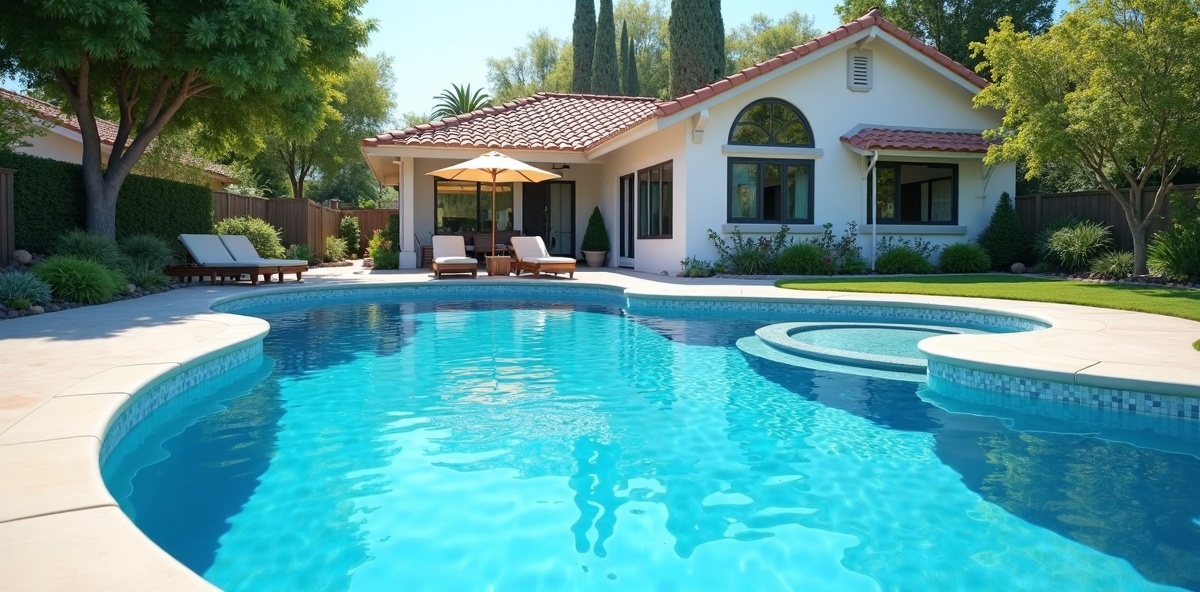
In Placer County, pool season typically kicks off in April and runs through October. But getting your pool swim-ready after a winter of minimal use takes more than just removing the cover and turning on the pump. Skip steps and you'll be dealing with green water, equipment problems, or chemical imbalances right when you want to be swimming. Here's the complete checklist our pool technicians use every spring.
Step 1: Remove and Clean the Pool Cover
Before you remove the cover, pump off any standing water and remove debris. Once the cover is off, clean it thoroughly with a cover cleaner, let it dry completely, and store it in a cool, dry place. A clean, dry cover stored properly will last 5–10 years. One stored wet will last 2–3.
Step 2: Inspect and Reconnect Equipment
Winter is hard on pool equipment. Before you fire everything up, do a thorough inspection:
- Inspect the pump for cracks, worn seals, or corrosion
- Check all plumbing connections and fittings for leaks
- Inspect the filter — clean or replace cartridge, backwash sand filter
- Check the heater for corrosion, debris in the burner, and proper ignition
- Test automation systems and timers
- Inspect all valves and make sure they're in the correct position
- Check pool lights for water intrusion or burned-out bulbs
Step 3: Fill the Pool to the Correct Level
If your pool lost water over winter (evaporation, splash-out, or minor leaks), fill it to the midpoint of the skimmer opening before starting the pump. Running a pump with low water can damage the pump seal and impeller.
Pro Tip: If your pool lost more than 2 inches of water over winter without a heavy rain period, you may have a slow leak. Have it checked before opening — leaks get worse with heavy summer use.
Step 4: Start the Circulation System
Once the pool is filled and equipment is inspected, start the pump and run it continuously for 24–48 hours before testing chemistry. This circulates the water and allows the filter to remove any settled debris from winter.
Step 5: Test and Balance the Water Chemistry
This is the most critical step. Here are the target ranges for a properly balanced pool in Placer County's climate:
| pH | 7.4 – 7.6 (ideal: 7.5) |
| Free Chlorine | 2.0 – 4.0 ppm |
| Total Alkalinity | 80 – 120 ppm |
| Calcium Hardness | 200 – 400 ppm |
| Cyanuric Acid (Stabilizer) | 30 – 50 ppm |
| Total Dissolved Solids | Under 3,000 ppm |
Step 6: Shock the Pool
After balancing chemistry, shock the pool with a chlorine shock treatment. Use 1 lb of shock per 10,000 gallons of pool water. Run the pump overnight after shocking. Wait until chlorine levels drop below 5 ppm before swimming — typically 24–48 hours.
Step 7: Clean the Pool Thoroughly
Once chemistry is balanced, do a full physical cleaning:
- Brush all walls, steps, and the floor to dislodge any algae or calcium deposits
- Vacuum the entire pool floor
- Clean all skimmer baskets and the pump basket
- Backwash or clean the filter after vacuuming
- Clean the waterline tile with a tile cleaner to remove calcium scale
When to Call a Professional
Pool opening is one of the most common times homeowners call us. If you find any of the following during your opening inspection, it's time to call a professional:
- Equipment that won't start or is making unusual noises
- Visible cracks in the pool shell or coping
- Water that won't clear up after 48 hours of circulation and shocking
- Suspected leak (water loss more than 1/4 inch per day)
- Electrical issues with lights or automation
Ready to get professional help with this?
Book a Pool Opening ServiceTags